Skip Hire Kensington for reliable waste clearance
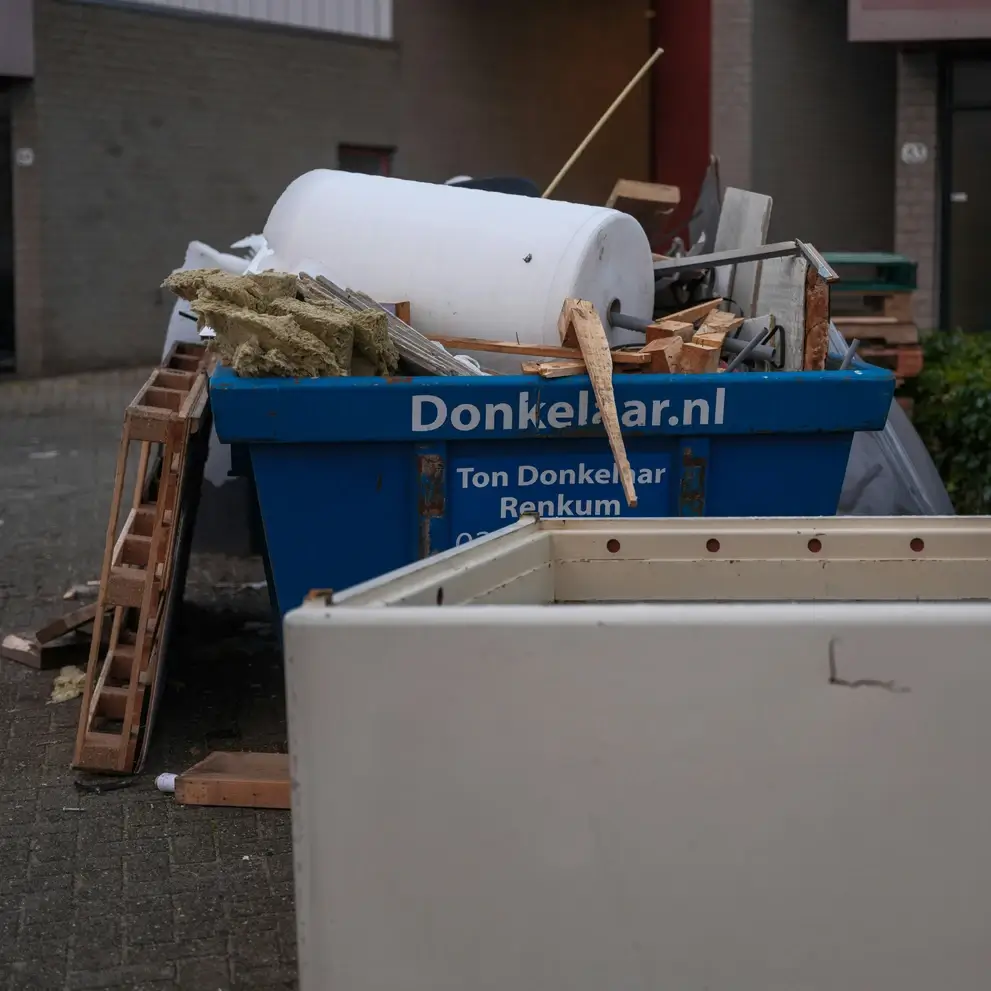
Skip Hire Kensington provides a straightforward way to manage waste from renovations, clear-outs and ongoing property work in Kensington. The service is built around practical skip supply, sensible guidance on size choice and clear handling of mixed loads, so households, landlords, builders and local businesses can arrange the right container for the job. Whether the task involves one room or a larger project, the aim is to keep disposal organised and the site easier to manage.
Our skip hire options are suited to customers who need a dependable container for general waste, bulky materials and renovation debris. We also support a range of work types through specific service pages, including builders skip hire for construction waste, domestic skip hire for home projects and commercial skip hire for business premises. If you are comparing services, these pages help you match the collection method to the type of waste and the scale of the task.
For a quotation, begin by thinking about the material you need to remove, the space available for placement and whether access is straightforward. A quick review of the project scope makes it easier to choose between a standard skip, a larger load option or an alternative approach such as wait and load skip hire. If you already know your requirement, pricing and quotes is a useful place to take the next step and request a figure.
Choosing the right skip for the job
Skip hire works best when the container suits both the waste type and the available access. A smaller skip can be more manageable for household clearances or light refurbishment, while a larger container may be better when the waste stream is more varied or the project lasts longer. Choosing carefully helps avoid overfilling, repeated movements and unnecessary disruption at the property. It also makes it easier to plan around loading, whether the waste is coming from upstairs rooms, a garden or an active building area.
Where access is limited, an alternative arrangement may be more suitable than a static container. Our same day skip hire page covers time-sensitive arrangements, while skip permits explains the cases where a permit may be needed for placement on public land. For customers who want to understand relative capacities before ordering, skip sizes and prices offers a sensible place to compare options before making a decision.
Practical factors that shape the order
When arranging waste removal, it is useful to think in terms of material, access and timing. The waste type affects what can be loaded together, access affects the delivery position and timing affects how long the container needs to stay on site. If you are dealing with ongoing works, a clearer schedule may help you coordinate loading with trades or occupants. For a simpler domestic job, the main task may just be to keep everything separated enough that the skip is loaded efficiently and safely.
Waste streams we handle
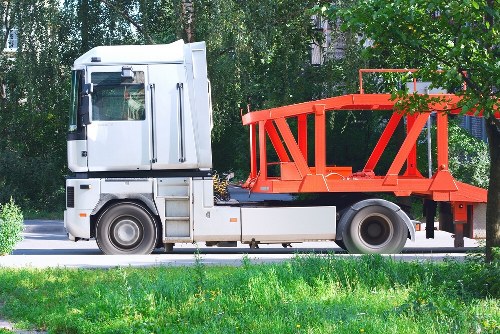
Different projects create different waste streams, so it helps to use a service that can match the load to the material. Building work often produces bricks, rubble, timber and mixed debris, while clear-outs can include bagged household items, broken furniture and general refuse. Choosing the right route for the waste helps avoid unsuitable items being mixed with ordinary loads and keeps the collection process more manageable. The result is a cleaner working area and a more structured disposal plan.
For renovation and construction material, construction waste disposal gives a dedicated option for site debris, while builders waste removal is useful when the load comes from active works and includes awkward or heavy waste. If the project involves an older building being taken apart, demolition waste removal covers the kind of mixed aftermath that often follows strip-out or dismantling work.
Not every clearance is about hardcore or trade debris. Domestic jobs may involve clutter from rooms, cupboards, lofts or storage spaces, and these loads are often easier to manage when separated into reusable, recyclable and residual items before collection. For that reason, it can help to look at the waste in advance and decide whether a skip is the most efficient choice or whether a targeted clearance page better fits the task.
Home, garden and property clearances
Household projects benefit from a disposal method that can handle furniture, general waste and mixed unwanted items without making the property harder to use. Our house clearance page supports larger domestic clearances, while garage and loft clearance is a better match for stored items, older belongings and accumulated clutter. These services can sit alongside skip hire when the waste is being gathered gradually and needs to leave the site in a controlled way.
Outdoor work creates a different sort of waste, often with soil, branches, cuttings and heavier organic material. garden waste removal is designed for that kind of material, while site clearance covers broader outdoor or mixed-location clearances where multiple waste types need to be dealt with together. If you are clearing a shed, rear yard or border area, it can help to identify whether the main issue is bulky objects, green waste or a mix of both.
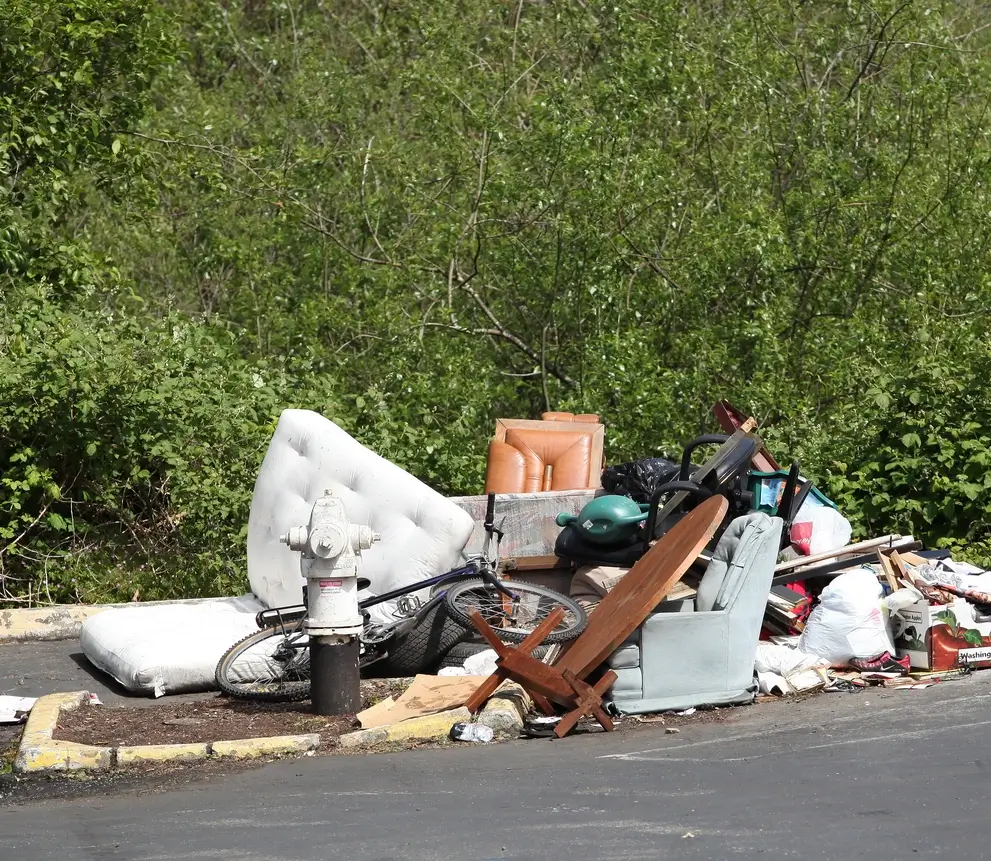
For items that need separate treatment, specialist routes are sometimes the better option. fridge and appliance removal is relevant to white goods and electricals, while mattress and sofa disposal helps with oversized household furniture that can be awkward to load with general rubbish. These pages are useful when the waste stream is dominated by one object type rather than a mixed skip load.
Business and trade waste support
Commercial premises often need waste removed without disrupting access, stock, staff movement or opening times. Our office clearance service suits furniture, paperwork and redundant fittings from workspaces, while commercial skip hire gives businesses a direct way to manage ongoing waste from premises or project work. The right setup depends on how often waste is generated, how much space is available and whether the load is mixed or mostly consistent.
Trade sites also tend to produce waste in stages, which makes planning more important than simply choosing a container. A skip may be ideal where materials arrive steadily over several days, but other methods can suit tighter timeframes or restricted access better. In those cases, grab hire services can be worth considering, especially where the waste is substantial and removal from ground level is more practical than using a fixed container.
When flexibility matters on site
Projects do not always produce tidy, predictable loads. A fit-out, strip-out or ongoing maintenance job may begin with light waste and end with heavier debris. In those situations, it helps to choose a service that can adapt to the stage of the work rather than forcing the waste into a single approach. Flexible planning also makes it easier to keep circulation clear, which matters for staff, trades and visitors alike.
Specialist disposal for awkward loads
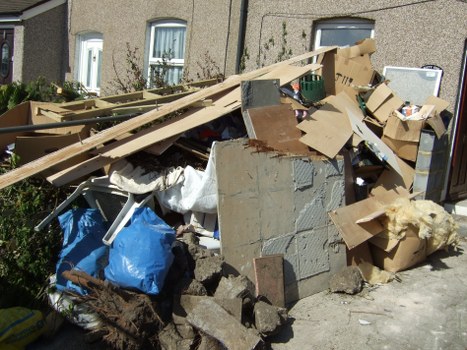
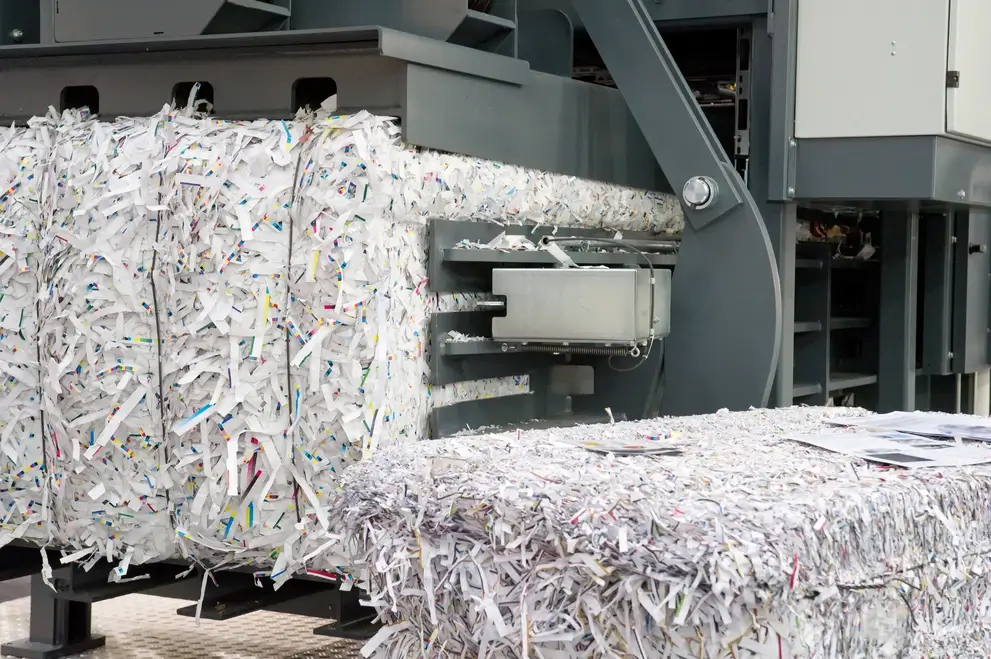
Some waste types need more care than ordinary mixed rubbish. Hazardous or regulated items should be separated from standard loads, both for handling and for disposal routing. Our hazardous waste disposal page covers material that requires particular attention, while confidential shredding is relevant where paper records and sensitive office material need secure destruction before recycling or disposal.
There are also occasions when a dedicated object-specific service is simpler than forcing an item into a general skip. rubbish removal may suit smaller or more immediate jobs, whereas house clearance and office clearance are better when the items are part of a larger internal clean-out. The key is to match the route to the waste, so the removal method supports the material rather than complicating it.
If you are uncertain which page best fits your load, it is usually helpful to separate out anything that is specialist, fragile or potentially restricted. That leaves the remaining material easier to assess for skip hire, and it can reduce the chance of mixing different waste classes in a single order. A short review before booking often makes the whole process more efficient.
How the ordering process is usually planned
Before arranging a collection, it is useful to prepare a brief description of the waste and the delivery location. A simple note about the type of material, access route and approximate quantity can make it easier to assess the most suitable service. If you are dealing with a property that has limited frontage, restricted parking or other practical constraints, those details are especially helpful because they influence where a container may be placed and how loading will work.
The second useful step is to think about timing. Some customers want removal in line with a refurbishment schedule, while others prefer to clear waste after a room or area has been sorted. If you are comparing options, book online gives a direct route to submit the request, and contact us is available when you want to ask a question before going ahead. For customers who need background information first, what can go in a skip is a practical page to review before placing an order.
- Identify the main waste type before you request a price.
- Check whether access is suitable for a skip or a different collection method.
- Separate specialist items if they need an alternative disposal route.
- Allow enough time for loading if the waste will be gathered gradually.
Compliance, recycling and sensible disposal
Good waste handling is not only about removing items from a property; it is also about directing material into the correct channels. Mixed waste should be assessed for what can be reused, recycled or diverted away from disposal where possible. Our waste recycling services page and recycling and sustainability page provide a clearer view of that side of the process, including how suitable material may be handled once it leaves site.
There are also practical and legal points that affect what can be loaded together. A skip should not be used as a catch-all for unsuitable items, and certain materials require separate treatment because of how they are stored, transported or processed. If you are organising a larger project, it is worth reviewing insurance and safety and health and safety policy so you understand the standards expected around placement, loading and the use of the service.
For customers looking at the wider setup, payment and security explains the approach to handling transactions, while terms and conditions and privacy policy provide general site information. These pages are not part of the removal itself, but they are useful when you want a fuller picture of the service arrangement before placing an order.
About Kensington
Kensington is a district in west London known for its long association with royal, cultural and residential life. Much of the area developed from former rural land and later urbanised through Georgian and Victorian expansion, leaving a built environment that mixes terraces, mansion blocks, garden squares and major institutions. Kensington High Street runs through the district as one of its best-known commercial corridors, while quieter streets to the south and west contain a dense network of period housing and embassies. The area is also closely linked with South Kensington, with the two places often discussed together because of their shared museum district and overlapping transport and cultural geography. The Natural History Museum, the Victoria and Albert Museum and the Science Museum sit nearby and give the wider district a strong identity rooted in public collections and education. Hyde Park lies to the east, and Kensington Gardens forms a substantial green landscape at the northern edge, with the Serpentine and formal planting contributing to the character of central west London. The Royal Albert Hall, completed in the nineteenth century, is another landmark closely associated with the district’s cultural reputation, hosting concerts and events that attract audiences from across the city. Architectural interest is high throughout the area, from grand stucco frontages and mansion houses to later commercial buildings and embassies, and conservation concerns remain important because much of Kensington retains a distinguished historic streetscape.
Skip hire arranged to suit your project

For many customers, the key question is not simply which service exists, but which one fits the way the job is unfolding. That may mean a standard container for steady waste generation, a specific clearance page for bulky items or a more targeted disposal route for unusual material. Our service pages are arranged so that you can move from a general skip hire request to a more precise option if the project becomes clearer during planning.
If you are working on a renovation, clearance or business project, it is sensible to look at the main waste first, then the access conditions, then the timing. From there, the right choice often becomes obvious: a builders skip hire arrangement for trade debris, house clearance for rooms full of unwanted belongings, or muck away services when the load is dominated by soil and similar material. Matching the method to the work keeps the process clearer from start to finish.
Need to get moving? Start with the page that matches your waste, then request your quotation once the basic details are ready. Request a quotation if you want to take the next step now and discuss the most suitable option for your Kensington project.
Further options when the load needs a different approach
Some jobs call for a specific type of removal rather than a standard skip. man and van can be suitable for smaller loads or more direct collection needs, while grab lorry hire may suit waste that is easier to remove in bulk from ground level. For more targeted domestic items, the specialist disposal pages can provide a cleaner fit than a general container, particularly when the waste is large, awkward or needs separating from the rest of the load.
There are also situations where a lockable or enclosed option may be helpful. enclosed and lockable skip hire is relevant where containment matters more than an open container, and it can be worth considering if the waste needs to stay protected or cannot be left fully exposed. If you want to see the broader route through to disposal and finish the request, the final step remains a straightforward quotation enquiry.
Use the page that matches the work, then ask for a quote once the waste type and access are clear.
Final steps for a clean, manageable clear-out
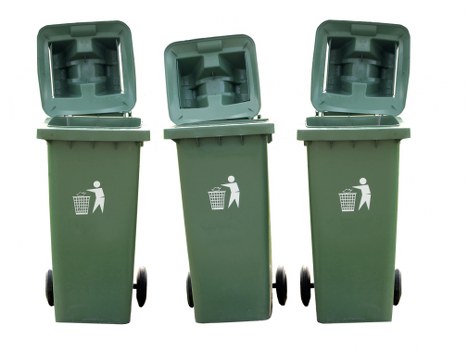
The most efficient skip hire arrangements usually begin with a simple decision: what needs to go, how much room there is and whether a container, clearance or specialist removal page is the best fit. Once those points are settled, it becomes much easier to keep the work organised and to avoid wasting time on methods that do not suit the site. That is particularly useful in Kensington, where projects may involve period homes, busy commercial spaces or locations with tighter access.
When you are ready to proceed, use the relevant service page to refine the request and keep the description focused on the actual waste. If the load is mixed, mention the main items first; if it is specialist, identify that clearly; and if access is limited, note that as part of the enquiry. Ask for a quotation when you are ready to compare the available options and arrange the next stage.
For a practical result, keep the enquiry brief but specific, and choose the route that matches the material rather than forcing everything into one category. That approach keeps the process clearer for everyone and makes it easier to organise a tidy, well-planned waste removal.